

Cats often appear independent, but their affectionate behaviours are grounded in real feline social biology. From bunting and kneading to sleep proximity and soft vocalisations, each gesture is a meaningful signal of trust and bonding. Understanding these cues reveals just how deeply cats can connect with their chosen humans.
1. Head-butting (bunting)
When a cat pushes its head against you, rubs along your cheek, or taps you gently with its forehead, it’s doing far more than asking for attention. Cats have scent glands around their face that release pheromones, and bunting is their way of sharing a communal scent profile with those they trust. In feral colonies, cats that are bonded will rub heads and faces to create a mutual scent “signature” that distinguishes members of the same social group. When your cat does this to you, they’re marking you as safe, familiar, and emotionally significant, essentially saying, “You are part of my world.”
2. Slow blinking
A cat’s slow blink is one of the most tender gestures in feline communication. In the wild, maintaining eye contact is a dominance behaviour, staring means challenge or threat. Closing the eyes deliberately in the presence of another is a display of profound trust. When your cat looks at you softly, then slowly blinks, they are signalling calm affection and security. Behavioural studies show that humans who mimic this slow blink often receive more relaxed responses and even increased affection from cats, it builds a non-verbal feedback loop of mutual comfort and reassurance.
3. Kneading with the paws
Kneading stretches all the way back to kittenhood, when kittens knead their mother’s belly to stimulate milk flow during nursing. The action creates a strong association with comfort, nurturing, and warmth. In adulthood, cats may knead blankets, cushions, and most commonly, their owners. It’s a kind of emotional regression, a soothing behaviour associated with feelings of safety and bonding. The presence of scent glands in their paw pads also means kneading deposits scent, marking you or the object as part of their trusted territory. It’s affectionate, personal, and deeply instinctive.
4. Grooming you instead
Cats groom those with whom they share trust, known as “allogrooming.” In cat families and feline social clusters, this behaviour reinforces social bonds, reduces tension, and exchanges scent markers. If your cat licks your hand, nibbles gently on your sleeve, or even tries to tidy up your hair, it means they view you as part of their intimate circle. They’re not just cleaning you, they’re participating in a ritual of bonding. While some humans find the sandpapery tongue surprising, it’s one of the clearest signs of inclusion in your cat’s emotional world.
5. Tail wrapping or hooking
A cat’s tail is an expressive instrument, it signals an enormous range of emotional states. A tail loosely raised with a slight curve at the tip is a friendly greeting. But when a cat wraps their tail around your leg, or hooks the tail tip toward you like a question mark, this is a affiliative behaviour similar to how primates touch or hold hands. Among cats, friendly individuals will sometimes intertwine tails as they walk or sit together. So if they use their tail to make contact with you, it’s a gesture of companionship and closeness.
6. They expose their belly
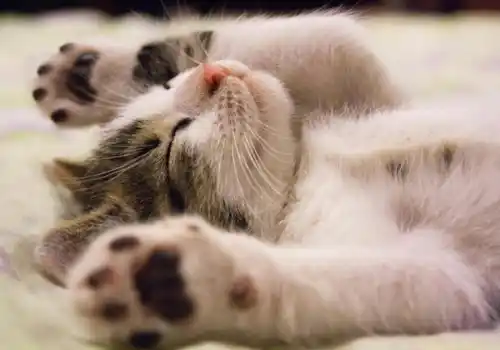
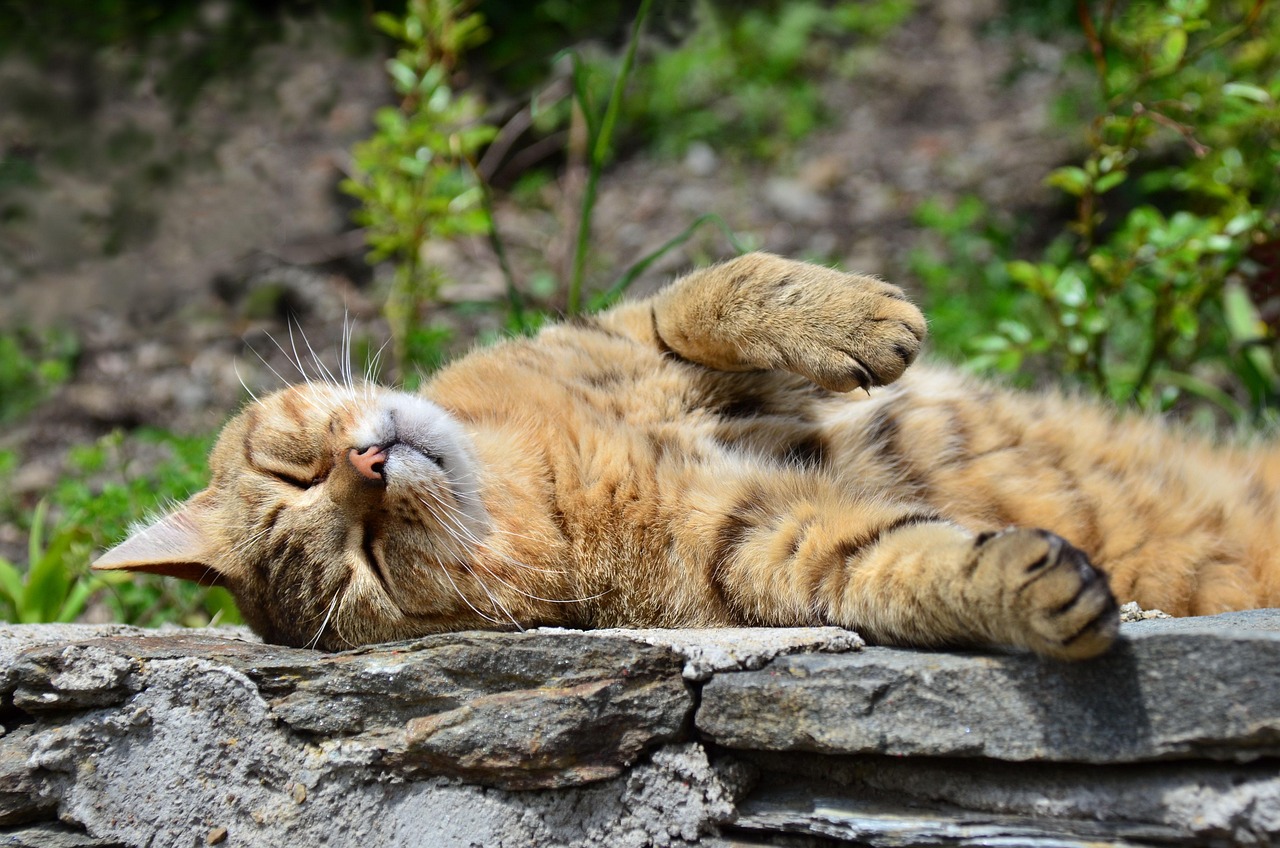
Cats lying on their backs with their paws up and their stomach exposed are making themselves highly vulnerable. The belly protects vital organs, so exposing it is a major trust signal. However, this does not automatically mean an invitation for belly rubs. Many cats are sensitive in that area and don’t enjoy direct touch there, but that’s not the point. The point is that they feel safe enough in your presence to relax completely, exposing their most fragile area. It’s a sign of deep comfort and emotional ease, even if the hand that tries to pet the belly is politely (or not-so-politely) redirected.
7. Following you from room to room
Cats are territorial, independent, and capable of entertaining themselves. So when they choose to follow their human from room to room, it’s not because they need you, it’s because they want to be near you. It may appear subtle: they sit in the doorway as you cook, perch on the arm of the sofa as you read, or accompany you into the bathroom (a classic). This behaviour reflects social affiliation, you are their chosen anchor in the environment. They don’t hover around everyone , only the individuals with whom they feel secure and connected.
8. Sleeping near you or on you
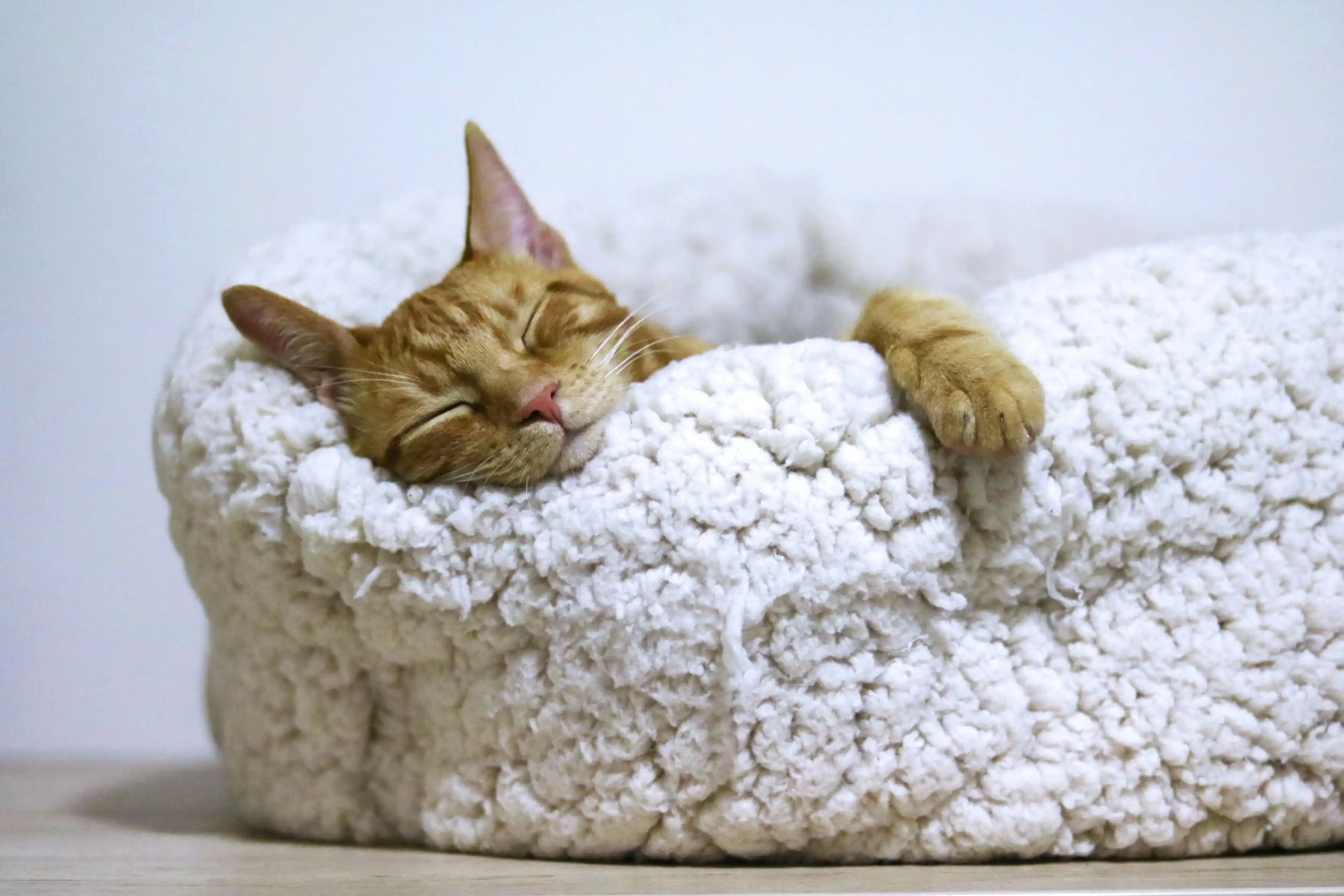
Sleep is the most vulnerable state an animal enters. Cats will only fully relax near those they trust implicitly. If your cat curls up beside your legs, sprawls across your lap, or chooses to sleep in your bedroom, it’s one of the strongest indicators of emotional bonding. Some cats prefer to sleep touching you directly, for warmth, reassurance, and familiarity, while others simply choose proximity. Either way, it’s a silent but powerful expression of trust: you are safe, comforting, and part of their inner circle.
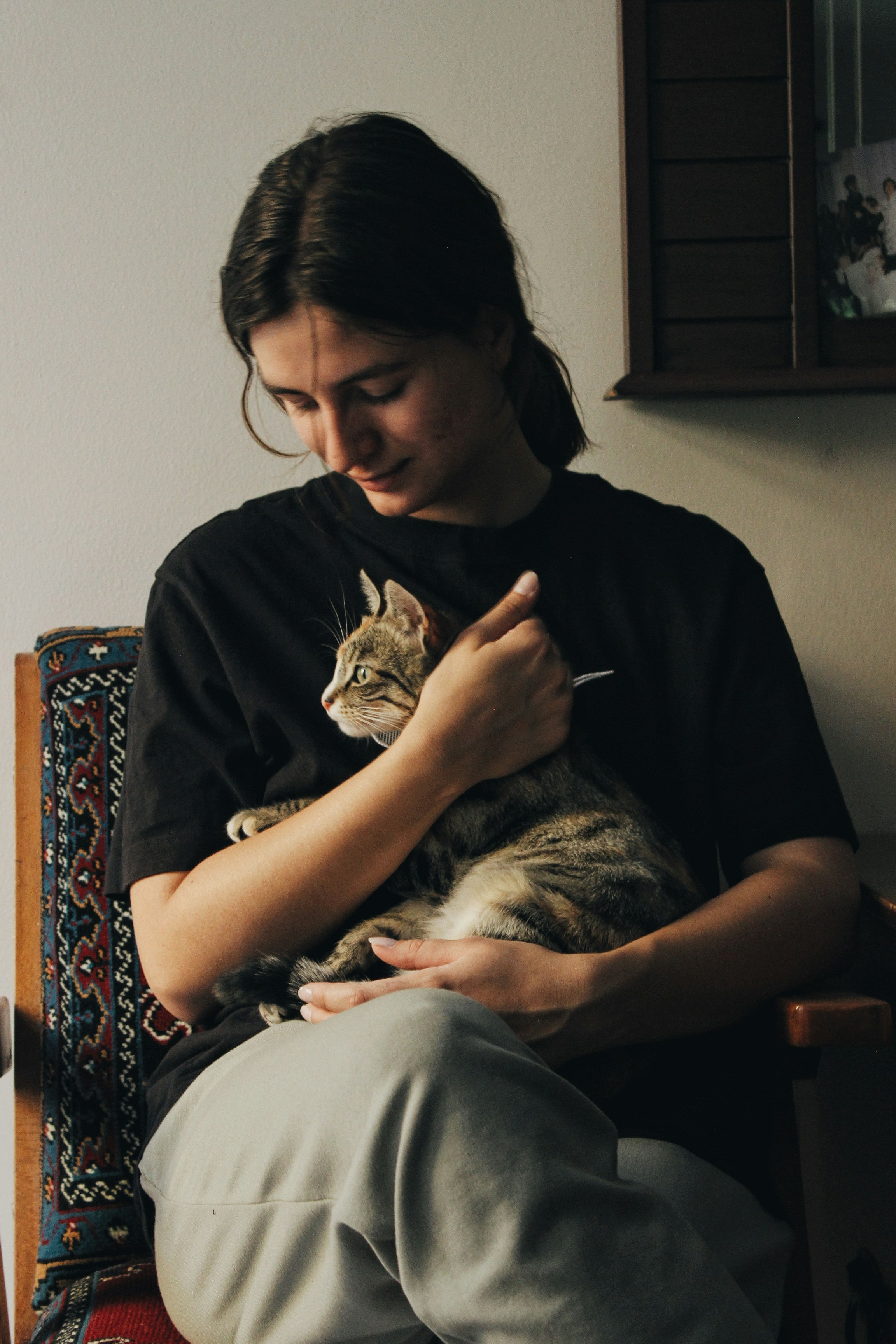
9. Gentle vocalisations (trills, chirps, soft meows)
While kittens meow at their mothers, adult cats rarely meow at each other, most meowing is reserved for communication with humans. Friendly cats use a whole repertoire of soft sounds: musical trills, quiet chirps, murmurs, and conversational meows. These sounds act like greetings, attention-seeking signals, or simply “I’m glad you’re here.” Some researchers believe cats alter their vocal patterns specifically to communicate more effectively with humans, an evolved cross-species language.
10. Bringing you gifts
When cats bring “presents”, whether toys, feathers, leaves, or prey; they are practising a social behaviour linked to both sharing and teaching. In wild settings, experienced cats may bring food to kittens or subordinate cats as part of communal grooming or training. Bringing you something can be interpreted as generosity, cooperation, or even an attempt to reciprocate care. They may simply be proud of their “catch” and trust you enough to share it. Even if the gift is a soggy toy mouse or, in less fortunate cases, something more organic, the intention is fundamentally affectionate.