


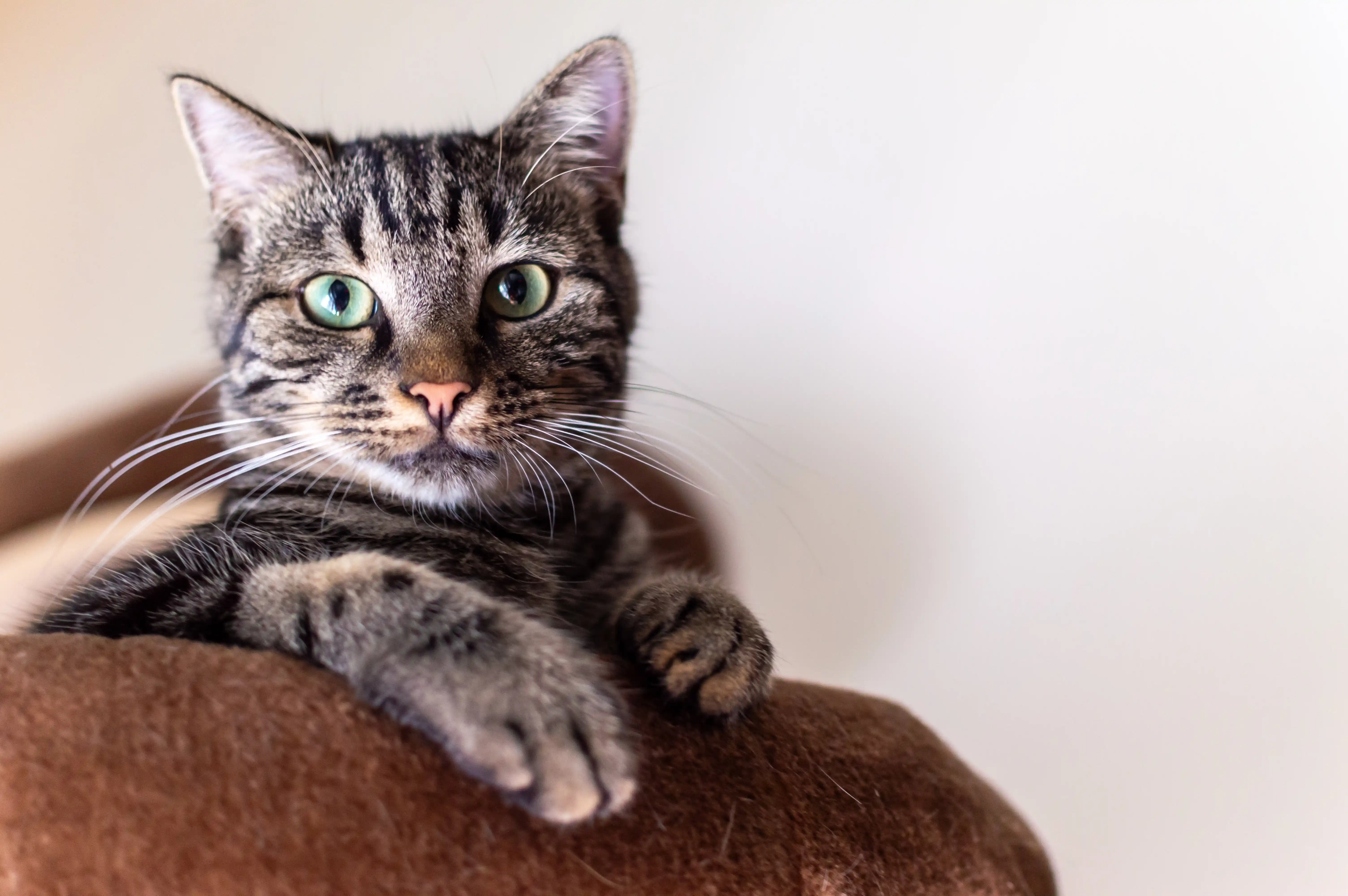
‘Kitten season’ once referred to the period between spring and late autumn when warmer temperatures and longer days encouraged cats to breed, leading to a predictable surge in kittens and pregnant cats arriving at rescues. However, this is no longer the case.
Battersea is urging owners to make neutering a priority all year round to prevent unplanned litters, ease pressure on rescue centres, and ultimately improve feline welfare.
Claire Davies, Team Leader at Battersea’s London Cattery, said, "What we're seeing now is a year-round kitten crisis, not a seasonal one. Cats are coming into us throughout the winter months in numbers we used to only expect in the height of summer. The traditional idea of ‘kitten season’ simply doesn't reflect the reality Battersea is facing anymore.”
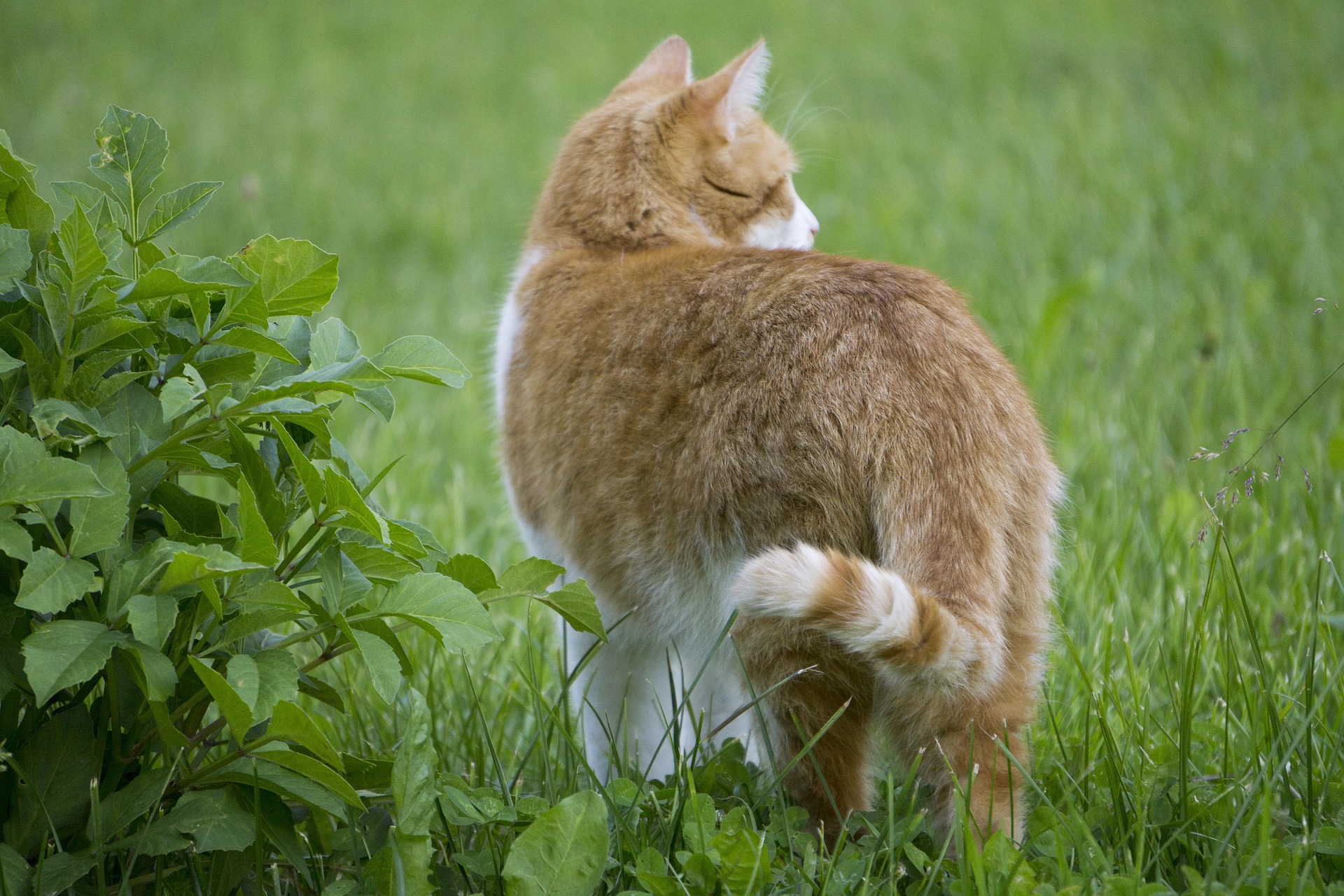
This shift has significant consequences for rescue centres and owners alike. In 2025, just over a third (34.33%) of Battersea’s entire feline intake were kittens under six months old. The increasing number of kittens needing support throughout the year places an enormous strain on charities like Battersea, already stretched by demand. Meanwhile, unprepared owners are finding themselves facing unexpected costs and the challenge of finding suitable homes for entire litters.
Neutering from four months old not only prevents unplanned litters but also protects against serious health conditions, including womb infections and certain cancers. Unneutered male cats are also more likely to roam and fight, putting them at risk of injury and disease.
The benefits of neutering for individual pets are clear. But neutering on a larger scale can be transformative. This is why Battersea works with organisations around the world to tackle feline overpopulation and improve global cat welfare. In Sri Lanka, for example, Battersea’s long-term partner, Dogstar, has been working to neuter owned and unowned cats around the island. With Battersea’s support, Dogstar was able to spay and neuter 3,451 cats in 2025 alone.
Dr Chamari, Vet and Team Leader at Dogstar’s Cat Clinic in Sri Lanka, said, “Spaying and neutering is one of the most powerful ways we can improve cats’ welfare. Mass neutering programmes prevent future suffering and, together with vaccinations, reduce the spread of disease, giving cats healthier, safer lives. We’re committed to reaching more cats and supporting the communities who care for them.”
For more advice on cat neutering, please visit Battersea’s website by clicking here